
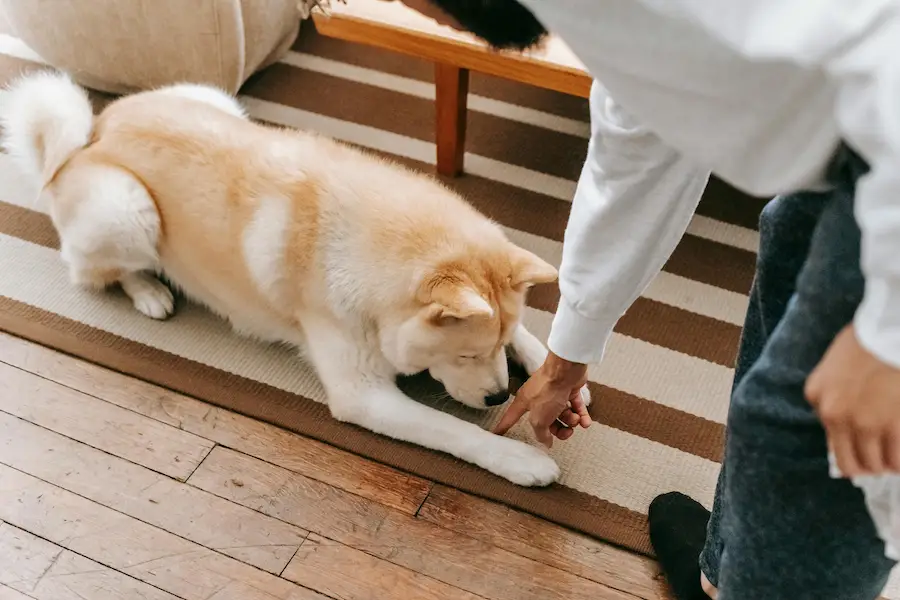
Basic Commands Every Dog Should Learn: Complete Training Guide
Learn the basic commands every dog should know to improve obedience, safety, and coexistence with their owner. Complete professional dog training guide.
Knowing and teaching basic commands to your dog is essential for safety, wellbeing, and harmonious coexistence. These commands form the foundation of dog training and allow clear communication between the owner and the pet.
What are basic commands and why are they important?
Basic commands are essential instructions every dog should learn for safe and orderly coexistence. Commands like “sit”, “down”, “stay”, “come”, and “drop it” help control your dog in daily situations, prevent accidents, and reinforce discipline. Teaching these commands improves communication, reduces behavioral problems, and facilitates socialization at home and in public spaces.
Command “Sit”: how to teach it step by step
The “sit” command is the foundation of dog training. To teach it:
1. Place a treat in front of your dog’s nose.
2. Slowly move the treat over the dog’s head.
3. The dog’s hindquarters will touch the ground naturally.
4. Say the word “sit” as the dog performs the movement.
5. Reward immediately with treat or praise.
Practice short, frequent sessions until the dog responds consistently. This command improves self-control and patience.
1. Place a treat in front of your dog’s nose.
2. Slowly move the treat over the dog’s head.
3. The dog’s hindquarters will touch the ground naturally.
4. Say the word “sit” as the dog performs the movement.
5. Reward immediately with treat or praise.
Practice short, frequent sessions until the dog responds consistently. This command improves self-control and patience.
Command “Down”: benefits and training
The “down” command teaches your dog to lie down and stay calm. To train:
1. Place a treat near the floor in front of your dog.
2. Move the treat slowly forward to encourage lying down.
3. Add the word “down” while performing the movement.
4. Reward immediately when the dog achieves correct posture.
This command is useful to control excitement, manage waiting in public, and strengthen overall obedience.
1. Place a treat near the floor in front of your dog.
2. Move the treat slowly forward to encourage lying down.
3. Add the word “down” while performing the movement.
4. Reward immediately when the dog achieves correct posture.
This command is useful to control excitement, manage waiting in public, and strengthen overall obedience.
Command “Come”: the most important for safety
The “come” command is critical for your dog’s safety. To teach it:
1. Use a safe, controlled environment.
2. Choose a clear word like “come” with a happy tone.
3. Reward immediately when your dog responds.
4. Start with short distances and gradually increase.
5. Introduce distractions progressively to improve obedience.
Good recall prevents accidents and allows freer, safer walks.
1. Use a safe, controlled environment.
2. Choose a clear word like “come” with a happy tone.
3. Reward immediately when your dog responds.
4. Start with short distances and gradually increase.
5. Introduce distractions progressively to improve obedience.
Good recall prevents accidents and allows freer, safer walks.
Command “Stay”: control and discipline
The “stay” command teaches your dog to remain in place until given another instruction. Steps:
1. Ask the dog to sit.
2. Hold your palm forward and say “stay”.
3. Step back and reward if the dog maintains position.
4. Gradually increase time and distance.
This command is key to control impulses, prevent accidents, and improve obedience in various situations.
1. Ask the dog to sit.
2. Hold your palm forward and say “stay”.
3. Step back and reward if the dog maintains position.
4. Gradually increase time and distance.
This command is key to control impulses, prevent accidents, and improve obedience in various situations.
Command “Drop it”: preventing dangerous behaviors
The “drop it” command prevents the dog from holding dangerous or inappropriate objects in its mouth. To train:
1. Present a toy or object.
2. Say “drop it” in a firm but calm voice.
3. Offer a treat in exchange to reinforce the trade.
4. Practice repeatedly in short sessions.
This command protects the safety of your dog and others nearby.
1. Present a toy or object.
2. Say “drop it” in a firm but calm voice.
3. Offer a treat in exchange to reinforce the trade.
4. Practice repeatedly in short sessions.
This command protects the safety of your dog and others nearby.
General tips for teaching basic commands
For effective training:
- Always use positive reinforcement, never punishment.
- Keep sessions short (5–10 minutes).
- Be consistent and patient; repetition is key.
- Reward immediately to create clear associations.
- Adapt commands to dog’s age and attention span.
- Practice in different environments to generalize learning.
- Always use positive reinforcement, never punishment.
- Keep sessions short (5–10 minutes).
- Be consistent and patient; repetition is key.
- Reward immediately to create clear associations.
- Adapt commands to dog’s age and attention span.
- Practice in different environments to generalize learning.
Long-term benefits of teaching basic commands
A dog that masters basic commands enjoys greater safety, obedience, and freedom during walks. Improves behavior at home, better socialization, and develops self-control. These commands are also the foundation for advanced behaviors and complex tricks, consolidating communication and trust between dog and owner. Professional teaching of basic commands is the cornerstone of successful dog training.