
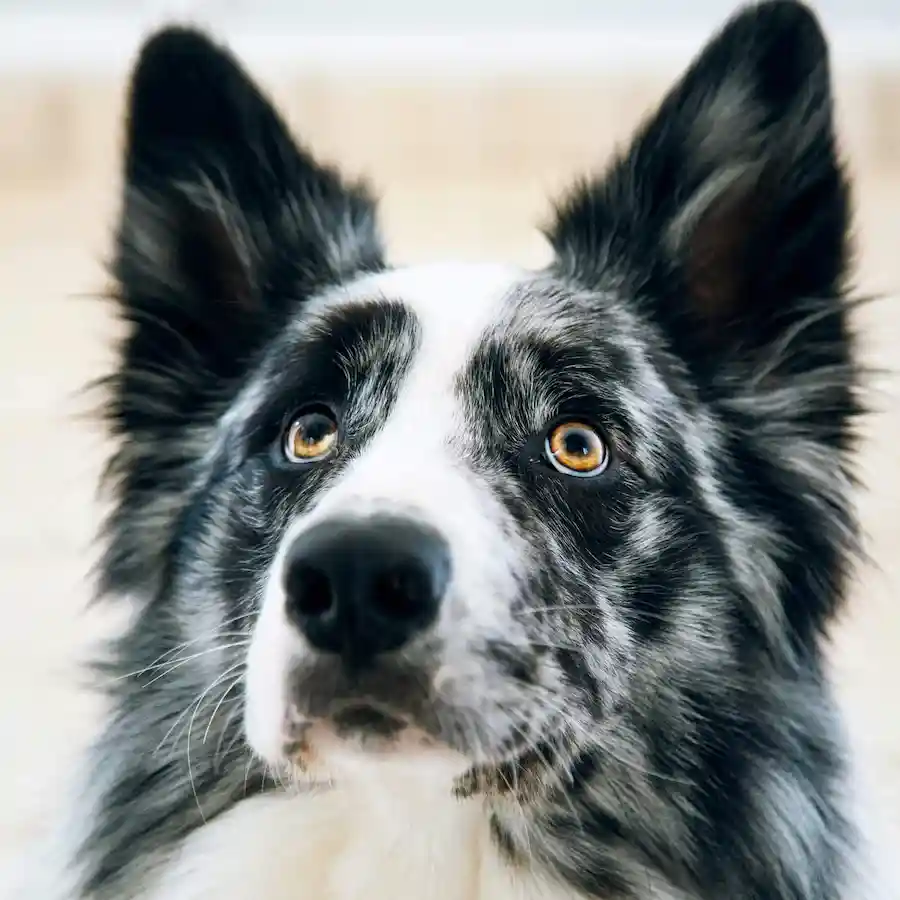
How to Reduce Stress in Dogs: Complete Wellness Guide
Learn how to recognize and reduce stress in your dog through effective strategies, balanced routines, and care practices that promote emotional and physical well-being.
Stress in dogs is a natural response to new situations, changes, or intense stimuli, but prolonged stress can affect physical and emotional health. Recognizing and managing stress is key to overall well-being.
Signs of stress in dogs
Identifying stress is essential for timely intervention. Dogs may exhibit:
- Excessive panting or rapid breathing without physical cause.
- Trembling or constant restlessness.
- Excessive barking or destructive behaviors.
- Avoidance of interaction or marked submissive behaviors.
- Changes in appetite or sleep patterns.
Recognizing these signs allows intervention before stress impacts health and behavior.
- Excessive panting or rapid breathing without physical cause.
- Trembling or constant restlessness.
- Excessive barking or destructive behaviors.
- Avoidance of interaction or marked submissive behaviors.
- Changes in appetite or sleep patterns.
Recognizing these signs allows intervention before stress impacts health and behavior.
Common causes of stress in dogs
Stress can stem from multiple factors:
- Environmental changes, moving homes, or new people.
- Lack of socialization or past traumatic experiences.
- Irregular routines or insufficient exercise and mental stimulation.
- Loud noises, unfamiliar visitors, or travel.
- Health issues or undetected physical pain.
Understanding causes facilitates planning effective reduction and prevention strategies.
- Environmental changes, moving homes, or new people.
- Lack of socialization or past traumatic experiences.
- Irregular routines or insufficient exercise and mental stimulation.
- Loud noises, unfamiliar visitors, or travel.
- Health issues or undetected physical pain.
Understanding causes facilitates planning effective reduction and prevention strategies.
Importance of prevention
Preventing stress is more effective than treating it once established. Maintaining a safe and predictable environment, providing gradual socialization, and including physical and mental activities within consistent routines are key. Prevention reduces risk of chronic anxiety, aggression, or destructive behaviors, and strengthens the bond between dog and owner.
Relaxation and calming techniques
Several strategies induce calm:
- Gentle massage and brushing promote relaxation.
- Calm music or ambient sounds reduce anxiety.
- Aromatherapy with dog-safe oils under veterinary supervision.
- Breathing and pause exercises through self-control training.
These techniques reduce tension, regulate emotions, and improve the dog’s readiness for positive interaction.
- Gentle massage and brushing promote relaxation.
- Calm music or ambient sounds reduce anxiety.
- Aromatherapy with dog-safe oils under veterinary supervision.
- Breathing and pause exercises through self-control training.
These techniques reduce tension, regulate emotions, and improve the dog’s readiness for positive interaction.
Environmental enrichment
An enriching and safe environment helps reduce stress:
- Interactive toys and puzzles keep the mind active.
- Quiet and comfortable resting areas allow emotional recovery.
- Spaces for sniffing, exploration, and free play foster confidence.
- Rotating toys and activities prevents boredom and frustration.
Proper enrichment maintains emotional balance and prevents behavioral issues.
- Interactive toys and puzzles keep the mind active.
- Quiet and comfortable resting areas allow emotional recovery.
- Spaces for sniffing, exploration, and free play foster confidence.
- Rotating toys and activities prevents boredom and frustration.
Proper enrichment maintains emotional balance and prevents behavioral issues.
Controlled socialization
Interaction with other dogs and people, conducted gradually and safely, is crucial:
- Introduce new experiences slowly to avoid overexcitement.
- Supervise play and encounters to reinforce appropriate behaviors.
- Use positive reinforcement to reward calm and safe conduct.
Socialization reduces fear and anxiety, increasing confidence and emotional well-being.
- Introduce new experiences slowly to avoid overexcitement.
- Supervise play and encounters to reinforce appropriate behaviors.
- Use positive reinforcement to reward calm and safe conduct.
Socialization reduces fear and anxiety, increasing confidence and emotional well-being.
Physical and mental exercise
Daily exercise is fundamental:
- Regular walks to release accumulated energy.
- Obedience or search games that stimulate the mind.
- Adjust intensity according to age, breed, and energy level.
- Self-control and focus exercises reduce impulsivity.
Proper exercise helps release tension, improve mood, and prevent chronic stress.
- Regular walks to release accumulated energy.
- Obedience or search games that stimulate the mind.
- Adjust intensity according to age, breed, and energy level.
- Self-control and focus exercises reduce impulsivity.
Proper exercise helps release tension, improve mood, and prevent chronic stress.
Positive reinforcement training
Proper training reduces stress and reinforces confidence:
- Teach basic and advanced commands using treats and praise.
- Avoid punishment or physical corrections that cause fear.
- Include short and frequent sessions to maintain attention and motivation.
- Reinforce calm behavior in potentially stressful situations.
This approach strengthens security and facilitates harmonious coexistence.
- Teach basic and advanced commands using treats and praise.
- Avoid punishment or physical corrections that cause fear.
- Include short and frequent sessions to maintain attention and motivation.
- Reinforce calm behavior in potentially stressful situations.
This approach strengthens security and facilitates harmonious coexistence.
Routines and consistency
Establishing clear daily routines helps minimize stress:
- Consistent schedules for feeding, walks, play, and rest.
- Predictability in activities and household rules.
- Maintain similar structures in interaction and training.
Consistency provides security and reduces anxiety from unexpected changes, especially in puppies and sensitive dogs.
- Consistent schedules for feeding, walks, play, and rest.
- Predictability in activities and household rules.
- Maintain similar structures in interaction and training.
Consistency provides security and reduces anxiety from unexpected changes, especially in puppies and sensitive dogs.
Warning signs and when to consult a veterinarian
Some behaviors indicate stress may be affecting health:
- Sudden aggression or temperament changes.
- Self-mutilation, excessive licking, or compulsive behaviors.
- Loss of appetite or drastic weight changes.
- Marked and constant separation anxiety.
In these cases, it is recommended to consult a veterinarian or canine behavior specialist for professional assessment and treatment.
- Sudden aggression or temperament changes.
- Self-mutilation, excessive licking, or compulsive behaviors.
- Loss of appetite or drastic weight changes.
- Marked and constant separation anxiety.
In these cases, it is recommended to consult a veterinarian or canine behavior specialist for professional assessment and treatment.
Final tips to reduce stress in dogs
To maintain a balanced and happy dog:
- Observe body language and emotional signals constantly.
- Maintain consistent and predictable routines.
- Provide daily physical exercise, mental stimulation, and socialization.
- Apply relaxation techniques and environmental enrichment.
- Use positive reinforcement in training and handling potentially stressful situations.
- Adjust strategies according to age, breed, energy level, and temperament.
By following these guidelines, your dog will exhibit reduced anxiety, balanced behavior, and overall well-being.
- Observe body language and emotional signals constantly.
- Maintain consistent and predictable routines.
- Provide daily physical exercise, mental stimulation, and socialization.
- Apply relaxation techniques and environmental enrichment.
- Use positive reinforcement in training and handling potentially stressful situations.
- Adjust strategies according to age, breed, energy level, and temperament.
By following these guidelines, your dog will exhibit reduced anxiety, balanced behavior, and overall well-being.