
How to Strengthen the Bond with Your Dog: Complete Guide
Discover how to strengthen your relationship with your dog through communication, play, positive training, and emotional care practices that foster a long-lasting, balanced bond.
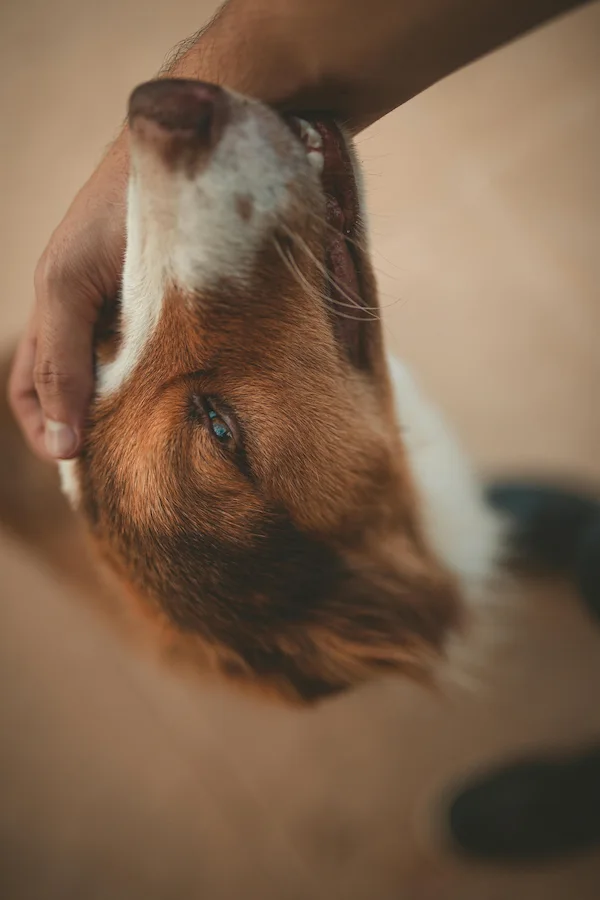
The bond between a dog and its owner is the foundation for a harmonious, balanced, and happy relationship. A strong bond translates into trust, security, and emotional well-being for both.
What the bond between dog and owner means
The bond is not just affection or companionship, but a relationship based on mutual trust, respect, and communication. A dog with a strong bond:
- Trusts its owner and feels secure.
- Is willing to follow instructions and participate in activities.
- Remains emotionally balanced and less prone to stress.
- Enjoys interaction and seeks positive contact.
The bond is built daily through attention, care, mental stimulation, play, and appropriate training.
- Trusts its owner and feels secure.
- Is willing to follow instructions and participate in activities.
- Remains emotionally balanced and less prone to stress.
- Enjoys interaction and seeks positive contact.
The bond is built daily through attention, care, mental stimulation, play, and appropriate training.
Importance of interpreting body language
Understanding how your dog communicates emotions is key to strengthening the bond. Signals to watch:
- Ears, tail, and posture reflect emotional state.
- Glances, yawns, licking, and growls are forms of communication.
- Subtle changes in breathing or position indicate anxiety or stress.
Correct interpretation allows appropriate response, preventing conflicts and building trust.
- Ears, tail, and posture reflect emotional state.
- Glances, yawns, licking, and growls are forms of communication.
- Subtle changes in breathing or position indicate anxiety or stress.
Correct interpretation allows appropriate response, preventing conflicts and building trust.
Socialization and shared experiences
Sharing positive experiences with other dogs and people reinforces confidence and security:
- Introduce new situations gradually and under supervision.
- Reinforce calm behavior with praise or treats.
- Include controlled social play teaching coexistence rules.
These experiences strengthen the bond and reduce fear or aggression in unfamiliar environments.
- Introduce new situations gradually and under supervision.
- Reinforce calm behavior with praise or treats.
- Include controlled social play teaching coexistence rules.
These experiences strengthen the bond and reduce fear or aggression in unfamiliar environments.
Positive reinforcement training
Proper training strengthens the bond and improves cooperation:
- Teach basic and advanced commands with treats and praise.
- Avoid physical punishment or yelling that generates fear or distrust.
- Keep sessions short and frequent to encourage motivation.
- Reinforce calm behavior in potentially stressful situations.
Positive reinforcement fosters respect, collaboration, and mutual trust.
- Teach basic and advanced commands with treats and praise.
- Avoid physical punishment or yelling that generates fear or distrust.
- Keep sessions short and frequent to encourage motivation.
- Reinforce calm behavior in potentially stressful situations.
Positive reinforcement fosters respect, collaboration, and mutual trust.
Daily routines and consistency
Establishing clear routines provides emotional security:
- Regular feeding, walking, and play schedules.
- Consistent household rules to reduce anxiety.
- Integrate moments of interaction and mental stimulation.
Consistency helps the dog understand expectations and strengthens the relationship daily.
- Regular feeding, walking, and play schedules.
- Consistent household rules to reduce anxiety.
- Integrate moments of interaction and mental stimulation.
Consistency helps the dog understand expectations and strengthens the relationship daily.
Play and quality time
Play is a pillar of bonding:
- Joint activities like fetch, tug-of-war, or intelligence games.
- Positive physical contact, petting, and massage.
- Games that stimulate mind and body in a fun way.
Sharing quality time builds trust, reduces stress, and reinforces the emotional connection.
- Joint activities like fetch, tug-of-war, or intelligence games.
- Positive physical contact, petting, and massage.
- Games that stimulate mind and body in a fun way.
Sharing quality time builds trust, reduces stress, and reinforces the emotional connection.
Mental stimulation
Keeping the mind active also strengthens the bond:
- Puzzles, interactive toys, and treat searches.
- Combining cognitive stimulation with walks and training.
- Exercises challenging memory, concentration, and problem-solving.
A mentally satisfied dog is more balanced and receptive, consolidating the relationship with its owner.
- Puzzles, interactive toys, and treat searches.
- Combining cognitive stimulation with walks and training.
- Exercises challenging memory, concentration, and problem-solving.
A mentally satisfied dog is more balanced and receptive, consolidating the relationship with its owner.
Effective communication
To improve connection, clear and consistent communication is vital:
- Use consistent commands and recognizable body signals.
- Respond immediately to appropriate behaviors to reinforce learning.
- Avoid inconsistencies or abrupt changes in instructions.
Effective communication fosters mutual understanding, reduces conflicts, and increases cooperation.
- Use consistent commands and recognizable body signals.
- Respond immediately to appropriate behaviors to reinforce learning.
- Avoid inconsistencies or abrupt changes in instructions.
Effective communication fosters mutual understanding, reduces conflicts, and increases cooperation.
Preventing anxiety and conflicts
The bond is strengthened by preventing stress or fear:
- Identify signs of anxiety or stress early.
- Provide safe spaces and resting areas.
- Avoid punishments that damage trust.
- Introduce changes gradually and positively.
Preventing emotional problems protects the relationship and ensures long-term well-being.
- Identify signs of anxiety or stress early.
- Provide safe spaces and resting areas.
- Avoid punishments that damage trust.
- Introduce changes gradually and positively.
Preventing emotional problems protects the relationship and ensures long-term well-being.
Adaptation to age and life stage
The bond should evolve with the dog’s age:
- Puppies require socialization, play, and basic training.
- Adults benefit from consistent routines, physical and mental stimulation.
- Senior dogs need care, attention to health, and activity adaptation.
Respecting needs at each stage ensures the relationship remains strong and fulfilling.
- Puppies require socialization, play, and basic training.
- Adults benefit from consistent routines, physical and mental stimulation.
- Senior dogs need care, attention to health, and activity adaptation.
Respecting needs at each stage ensures the relationship remains strong and fulfilling.
Benefits of a strong bond
A strong bond produces:
- Emotionally balanced dog, less prone to anxiety or aggression.
- Greater receptivity to training and cooperation.
- Improved overall health and quality of life.
- Increased confidence and security in new environments.
- Strengthened affection and mutual enjoyment.
A strong bond is the foundation for harmonious and satisfying coexistence.
- Emotionally balanced dog, less prone to anxiety or aggression.
- Greater receptivity to training and cooperation.
- Improved overall health and quality of life.
- Increased confidence and security in new environments.
- Strengthened affection and mutual enjoyment.
A strong bond is the foundation for harmonious and satisfying coexistence.
Final tips to strengthen the bond
To maintain a long-lasting, healthy bond:
- Observe body language and emotions constantly.
- Share quality time, play, and daily stimulation.
- Maintain consistent routines and clear communication.
- Apply positive reinforcement training.
- Adapt strategies to age, breed, and temperament.
- Prevent stress and anxiety with a safe and enriched environment.
Following these guidelines will deepen the relationship with your dog, making it stronger, solid, and harmonious, ensuring emotional and physical well-being for both.
- Observe body language and emotions constantly.
- Share quality time, play, and daily stimulation.
- Maintain consistent routines and clear communication.
- Apply positive reinforcement training.
- Adapt strategies to age, breed, and temperament.
- Prevent stress and anxiety with a safe and enriched environment.
Following these guidelines will deepen the relationship with your dog, making it stronger, solid, and harmonious, ensuring emotional and physical well-being for both.