
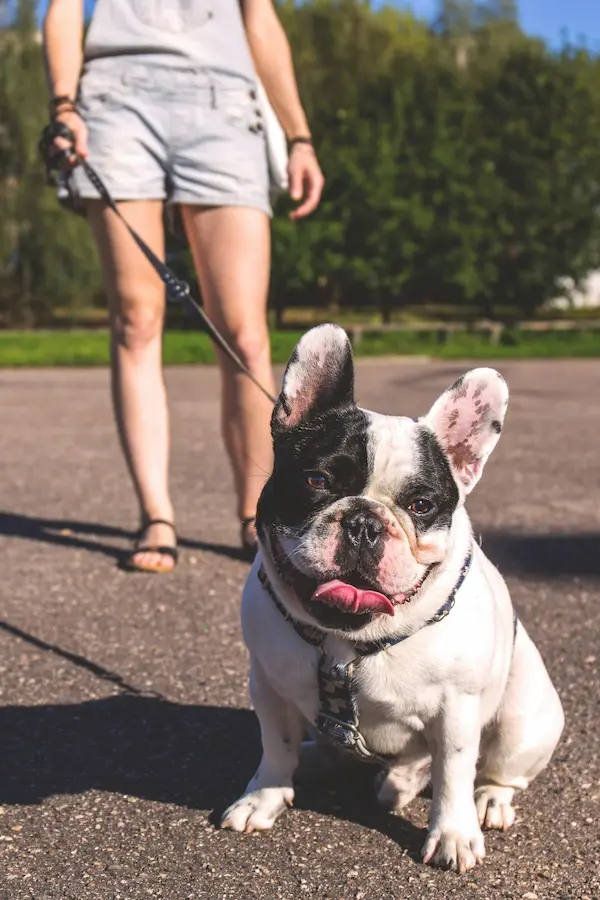
Why Walks Are Key for Dog Behavior
Discover how regular walks improve your dog’s behavior, promote physical and mental well-being, and prevent behavioral problems at home.
Walks are not just moments for your dog to exercise or relieve itself. They are fundamental tools for emotional, social, and cognitive development. Understanding the importance of walks is crucial to prevent behavioral problems, improve obedience, and strengthen the bond with your pet.
Importance of walks for physical health
Walks provide vital exercise to maintain a dog’s physical health. They help:
- Maintain healthy weight and prevent obesity.
- Strengthen muscles and joints.
- Improve cardiovascular and respiratory endurance.
- Increase energy and readiness for other activities.
Physical well-being directly translates into balanced behavior, as a properly tired dog is less prone to destructive or hyperactive behaviors.
- Maintain healthy weight and prevent obesity.
- Strengthen muscles and joints.
- Improve cardiovascular and respiratory endurance.
- Increase energy and readiness for other activities.
Physical well-being directly translates into balanced behavior, as a properly tired dog is less prone to destructive or hyperactive behaviors.
Mental stimulation during walks
Beyond physical activity, walks stimulate the dog’s mind:
- Sniffing different environments and objects.
- Perceiving new sounds and textures.
- Solving small situations or challenges during the walk.
- Making decisions about the environment while learning rules and limits.
Mental stimulation reduces boredom, anxiety, and frustration, preventing problematic behaviors such as chewing furniture, excessive barking, or jumping on people.
- Sniffing different environments and objects.
- Perceiving new sounds and textures.
- Solving small situations or challenges during the walk.
- Making decisions about the environment while learning rules and limits.
Mental stimulation reduces boredom, anxiety, and frustration, preventing problematic behaviors such as chewing furniture, excessive barking, or jumping on people.
Socialization and contact with other dogs
Walks allow social interaction that cannot be replicated at home:
- Meeting other dogs and people in a safe environment.
- Learning social skills, rules of coexistence, and self-control.
- Reducing fear or aggression toward other animals or strangers.
- Practicing canine communication through gestures, postures, and supervised play.
Regular socialization strengthens confidence and improves behavior in various contexts.
- Meeting other dogs and people in a safe environment.
- Learning social skills, rules of coexistence, and self-control.
- Reducing fear or aggression toward other animals or strangers.
- Practicing canine communication through gestures, postures, and supervised play.
Regular socialization strengthens confidence and improves behavior in various contexts.
Reduction of anxiety and stress
A dog that does not get enough walks may develop separation anxiety, hyperactivity, or obsessive behaviors. Walks help:
- Release accumulated tension through movement.
- Satisfy instinctive needs for exploration and scent work.
- Establish routine and security, reducing insecurity or frustration.
- Create predictable moments the dog associates with reward and relaxation.
Emotionally balanced dogs show fewer undesirable behaviors at home.
- Release accumulated tension through movement.
- Satisfy instinctive needs for exploration and scent work.
- Establish routine and security, reducing insecurity or frustration.
- Create predictable moments the dog associates with reward and relaxation.
Emotionally balanced dogs show fewer undesirable behaviors at home.
Impulse control and self-discipline
During walks, the dog practices self-control:
- Waiting before crossing streets.
- Staying close to the owner and following commands.
- Resisting the urge to chase distracting stimuli.
- Learning to regulate energy and excitement around other dogs or stimuli.
Impulse control skills at walks translate into reduced jumping, barking, and destructive behavior at home.
- Waiting before crossing streets.
- Staying close to the owner and following commands.
- Resisting the urge to chase distracting stimuli.
- Learning to regulate energy and excitement around other dogs or stimuli.
Impulse control skills at walks translate into reduced jumping, barking, and destructive behavior at home.
Training and positive reinforcement
Walks are ideal opportunities to train and reinforce desired behaviors:
- Practice basic commands such as “heel,” “sit,” or “stay.”
- Introduce command combinations and advanced obedience exercises.
- Reward correct behaviors with treats, praise, or play.
- Integrate fetch, agility, and cognitive stimulation games.
This reinforces learning, discipline, and communication, resulting in obedient and attentive dogs.
- Practice basic commands such as “heel,” “sit,” or “stay.”
- Introduce command combinations and advanced obedience exercises.
- Reward correct behaviors with treats, praise, or play.
- Integrate fetch, agility, and cognitive stimulation games.
This reinforces learning, discipline, and communication, resulting in obedient and attentive dogs.
Different types of walks and their impact
Not all walks have the same effect:
- Short walks: useful for basic needs and minimal energy release.
- Full walks: combine physical exercise, mental stimulation, and socialization, offering comprehensive benefit.
- Training walks: focused on obedience, commands, and impulse control.
- Exploratory walks: centered on scent stimulation and environmental discovery.
Each walk type affects behavior differently and should be integrated according to the dog’s needs.
- Short walks: useful for basic needs and minimal energy release.
- Full walks: combine physical exercise, mental stimulation, and socialization, offering comprehensive benefit.
- Training walks: focused on obedience, commands, and impulse control.
- Exploratory walks: centered on scent stimulation and environmental discovery.
Each walk type affects behavior differently and should be integrated according to the dog’s needs.
Common mistakes affecting behavior
Common mistakes during walks can limit their effectiveness:
- Irregular walks causing anxiety and problematic behavior.
- Walks that are too short or monotonous, lacking mental stimulation.
- Not supervising interactions with other dogs or people.
- Ignoring signs of stress, fatigue, or overexcitement.
Avoiding these errors ensures walks fulfill their intended purpose effectively.
- Irregular walks causing anxiety and problematic behavior.
- Walks that are too short or monotonous, lacking mental stimulation.
- Not supervising interactions with other dogs or people.
- Ignoring signs of stress, fatigue, or overexcitement.
Avoiding these errors ensures walks fulfill their intended purpose effectively.
Tips to maximize walk benefits
To get the most out of walks and improve behavior:
- Alternate walk types: short, full, training, and exploratory.
- Introduce games and mental stimulation during walks.
- Maintain daily consistency and routine.
- Observe body language to adjust intensity and duration.
- Combine walks with positive reinforcement and obedience training.
Thus, walks become a comprehensive tool for the dog’s physical, mental, and emotional well-being.
- Alternate walk types: short, full, training, and exploratory.
- Introduce games and mental stimulation during walks.
- Maintain daily consistency and routine.
- Observe body language to adjust intensity and duration.
- Combine walks with positive reinforcement and obedience training.
Thus, walks become a comprehensive tool for the dog’s physical, mental, and emotional well-being.
Final recommendations
Walks are much more than a daily routine; they are an investment in behavior, health, and happiness. Understanding their importance and structuring them correctly:
- Improves self-control and obedience.
- Fosters socialization and management of stimuli.
- Reduces anxiety, stress, and frustration.
- Increases physical and mental well-being.
- Strengthens the bond between dog and owner.
Following these guidelines, walks become an essential tool for having a balanced, confident, and happy dog both inside and outside the home.
- Improves self-control and obedience.
- Fosters socialization and management of stimuli.
- Reduces anxiety, stress, and frustration.
- Increases physical and mental well-being.
- Strengthens the bond between dog and owner.
Following these guidelines, walks become an essential tool for having a balanced, confident, and happy dog both inside and outside the home.