
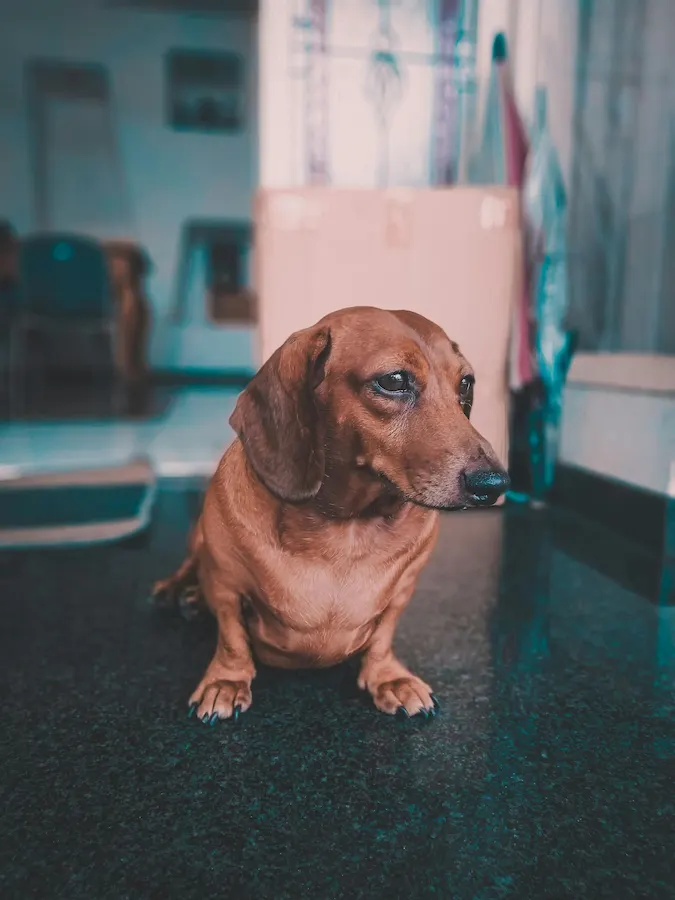
What to Do If Your Dog Eliminates Inside the House: Complete Guide for Responsible Owners
Learn how to prevent your dog from eliminating inside the house using training strategies, consistent routines, and positive reinforcement for healthy coexistence.
Having your dog eliminate inside the house is one of the most common and frustrating household problems. However, understanding the causes, preventing inappropriate behavior, and applying effective training techniques can transform coexistence and improve your relationship with your pet.
Understanding the problem: medical and behavioral causes
When a dog eliminates inside the house, it is not always disobedience. Causes may include:
- Medical issues: urinary infections, digestive problems, incontinence, or chronic diseases may lead to inappropriate elimination.
- Stress or anxiety: changes at home, moving, presence of new people or pets, or altered routines can generate anxiety expressed as indoor elimination.
- Lack of training: dogs that have not learned to eliminate in the proper place may develop incorrect habits.
- Territorial marking: some dogs, especially males, mark with urine to signal territory, even indoors.
Identifying the specific cause is the first step to implementing an effective solution and preventing the behavior from repeating.
- Medical issues: urinary infections, digestive problems, incontinence, or chronic diseases may lead to inappropriate elimination.
- Stress or anxiety: changes at home, moving, presence of new people or pets, or altered routines can generate anxiety expressed as indoor elimination.
- Lack of training: dogs that have not learned to eliminate in the proper place may develop incorrect habits.
- Territorial marking: some dogs, especially males, mark with urine to signal territory, even indoors.
Identifying the specific cause is the first step to implementing an effective solution and preventing the behavior from repeating.
Warning signs and veterinary diagnosis
Before initiating any behavioral correction, it is advisable to rule out medical problems. Observe if the dog shows signs of pain, difficulty urinating, changes in appetite, diarrhea, or general discomfort. Consult a veterinarian if any symptoms appear to rule out infections, urinary or digestive problems, or chronic illnesses. Early diagnosis prevents complications and ensures that training strategies are effective and safe.
Puppy training: establishing habits from the start
For puppies, prevention is key. In the first weeks at home, clear routines should be established:
- Take the puppy to the designated elimination area every 1–2 hours.
- Positively reinforce with praise, petting, or treats each time the puppy uses the correct spot.
- Avoid punishment: scolding can generate fear and confusion, slowing learning.
- Constant supervision: keeping the puppy in sight or in safe areas prevents accidents and allows redirection to the correct place.
Consistency and patience are essential to consolidate long-lasting habits and prevent inappropriate behaviors in adulthood.
- Take the puppy to the designated elimination area every 1–2 hours.
- Positively reinforce with praise, petting, or treats each time the puppy uses the correct spot.
- Avoid punishment: scolding can generate fear and confusion, slowing learning.
- Constant supervision: keeping the puppy in sight or in safe areas prevents accidents and allows redirection to the correct place.
Consistency and patience are essential to consolidate long-lasting habits and prevent inappropriate behaviors in adulthood.
Adult dog training: correcting existing habits
In adult dogs, correction requires understanding, patience, and consistency. Recommended steps include:
- Identifying the moments and locations where elimination occurs.
- Limiting access to problematic areas until proper habits are established.
- Redirecting the dog to the correct spot immediately after any accident.
- Positively reinforcing each time the dog uses the correct zone, gradually increasing freedom of movement inside the house.
- Maintaining regular walks and elimination routines.
The key is reinforcing desired behavior without punishment, so the dog associates the correct place with positive experiences.
- Identifying the moments and locations where elimination occurs.
- Limiting access to problematic areas until proper habits are established.
- Redirecting the dog to the correct spot immediately after any accident.
- Positively reinforcing each time the dog uses the correct zone, gradually increasing freedom of movement inside the house.
- Maintaining regular walks and elimination routines.
The key is reinforcing desired behavior without punishment, so the dog associates the correct place with positive experiences.
Advanced positive reinforcement and stress management
Positive reinforcement is the most powerful tool for correcting inappropriate elimination. Strategies include:
- Immediate and consistent rewards when the dog uses the correct area.
- Verbal praise and petting to reinforce the behavior.
- Interactive toys or additional rewards to encourage correct habits.
For anxious or stressed dogs, creating a safe and predictable environment reduces accidents. Calm spaces, stable routines, and gradual exposure to stressful situations allow the dog to feel secure and reduce impulsive elimination due to anxiety.
- Immediate and consistent rewards when the dog uses the correct area.
- Verbal praise and petting to reinforce the behavior.
- Interactive toys or additional rewards to encourage correct habits.
For anxious or stressed dogs, creating a safe and predictable environment reduces accidents. Calm spaces, stable routines, and gradual exposure to stressful situations allow the dog to feel secure and reduce impulsive elimination due to anxiety.
Cleaning and odor prevention
Proper cleaning is essential to prevent the dog from repeating the behavior in the same spot. Recommendations include:
- Using enzymatic cleaners to completely remove urine or feces odors.
- Avoiding products with ammonia, which can confuse the dog and lead to repeated marking.
- Keeping the area clean and free of residue that may attract the dog.
Preventing repetition through cleaning, physical barriers, and supervision is as important as training itself.
- Using enzymatic cleaners to completely remove urine or feces odors.
- Avoiding products with ammonia, which can confuse the dog and lead to repeated marking.
- Keeping the area clean and free of residue that may attract the dog.
Preventing repetition through cleaning, physical barriers, and supervision is as important as training itself.
Establishing routines and consistent schedules
Dogs learn best when predictability exists. Establishing regular schedules for walks, meals, and elimination allows the dog to anticipate needs and reduce accidents indoors. Maintaining clear and consistent routines strengthens the dog’s understanding of where and when it is appropriate to eliminate.
Preventing future accidents
Prevention is more effective than correction. Recommendations include:
- Supervising the dog at all times during training.
- Providing enough physical exercise and mental stimulation to reduce anxiety and boredom.
- Gradually introducing new areas or changes in the home to avoid stress.
- Consistent positive reinforcement for correct behaviors.
These strategies not only correct the behavior but strengthen the bond between owner and dog, ensuring harmonious coexistence in the long term.
- Supervising the dog at all times during training.
- Providing enough physical exercise and mental stimulation to reduce anxiety and boredom.
- Gradually introducing new areas or changes in the home to avoid stress.
- Consistent positive reinforcement for correct behaviors.
These strategies not only correct the behavior but strengthen the bond between owner and dog, ensuring harmonious coexistence in the long term.
Benefits of consistent and respectful training
A positive and consistent approach not only prevents indoor accidents but fosters a confident, balanced, and secure dog. Dogs that understand clear expectations and boundaries are less likely to develop behavioral problems, improving daily coexistence, the owner-pet relationship, and the animal’s overall well-being.